
Why Every Kenyan B2B Company Needs a Content Marketing Strategy.
A content marketing strategy is a documented plan that guides what content you create, who it serves and how it drives business results. For Kenyan B2B companies facing long sales cycles and procurement-driven decisions, having a strategy transforms content from random posts into a predictable growth engine. This guide explains what makes a content strategy essential, how it works in Kenya’s B2B environment and what components your strategy should include.
The Cost of Random Posting
Imagine this scenario where a Nairobi-based logistics software company posts three times on LinkedIn this week. Next week, nothing. The following month, they publish a blog about industry trends. Two months later, they share a job post that they are hiring for.
Sound familiar?
This is what most Kenyan B2B companies call content marketing. They create content when they remember. They post what feels right. They hope something sticks.
Here’s what actually happens. Their sales team complains that marketing generates poor leads. Their CEO questions why content isn’t driving results. Their competitors, the ones with a documented content marketing strategy, steadily capture market share.
The difference isn’t the quality of content. It’s the presence of strategy.
What Is a Content Marketing Strategy?
A content marketing strategy is your documented roadmap for using content to achieve specific business goals. It answers four critical questions:
- Who are we creating content for?
- What business problems does our content solve?
- How will we create and distribute this content?
- How do we measure if it’s working?
Think of it this way. You wouldn’t build a factory without blueprints. You wouldn’t launch a product without a go-to-market plan. Yet many Kenyan B2B companies create content without a strategy, hoping it somehow works.
A content strategy for B2B companies in Kenya goes beyond a content calendar. It defines your audience segments, maps content to their decision journey, establishes your positioning, sets measurable goals and creates systems for consistent execution.
Why Kenyan B2B Companies Need a Content Marketing Strategy Now?
Kenya’s B2B landscape has fundamentally changed. The decision-makers you want to reach, the CFOs, procurement heads, operations directors, they research online before they ever speak to your sales team.
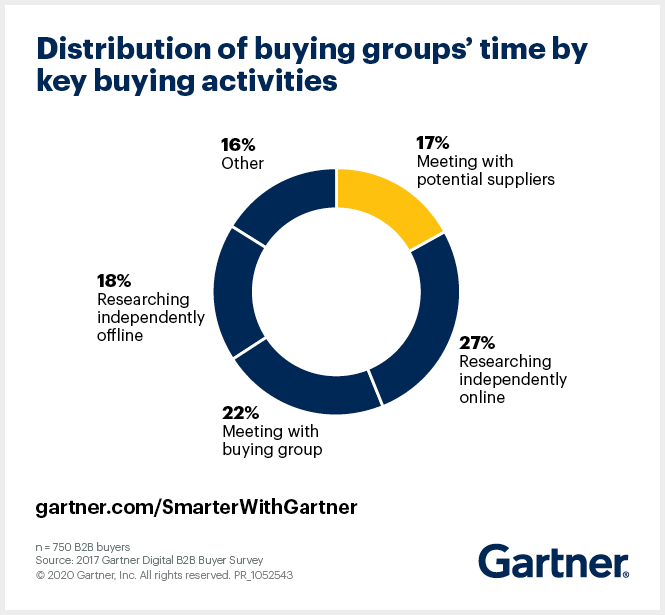
A 2024 Gartner study found that B2B buyers spend only 17% of their purchase journey with supplier sales reps. The rest happens through independent research. In Nairobi’s competitive markets, this means your content either positions you as the expert or you don’t exist in their consideration set.
Here’s what makes this urgent for Kenyan companies.
The Procurement Reality
Most B2B sales in Kenya involve procurement processes. Multiple stakeholders. Budget approvals. Risk assessments. These decision-makers need content that builds confidence before they engage your sales team.
Without a content strategy, you create random pieces that don’t address their specific concerns. With a strategy, you systematically build trust across every stakeholder in the buying committee.
The Authority Gap
Kenyan B2B buyers increasingly expect thought leadership. When a manufacturing company in Thika needs supply chain software, they don’t just compare features. They assess which vendor understands their challenges. Which one publishes insights about local manufacturing realities? Which one demonstrates expertise through consistent, valuable content?
A content marketing strategy helps you build this authority systematically rather than accidentally.
The Competition Factor
While you’re posting occasionally, your competitors with strategic content marketing are capturing search visibility, building email lists, nurturing leads and establishing themselves as category leaders. The gap widens every quarter.
How a Content Marketing Strategy Guides Your Marketing Efforts.
Random posting creates random results. A B2B content strategy in Kenya provides clarity, direction, and focus.
It Prevents Wasted Effort
Imagine a Kenyan fintech company targeting banks. Without a strategy, they might create content about cryptocurrency trends because it seems interesting. With a strategy, they know their bank CFO audience cares about regulatory compliance and risk management. Every piece of content serves a documented purpose.
It Creates Consistency
Consistency builds trust. When decision-makers see your company publishing valuable insights every week, you become a reliable resource. They remember you when budget season arrives.
Strategic content marketing means you publish based on a plan, not based on who had time that week. Your audience knows what to expect. Your sales team knows what content assets exist. Your marketing team works from a clear brief.
It Aligns Teams
Sales complains that marketing leads are unqualified. Marketing insists they’re delivering. This disconnect costs Kenyan B2B companies millions in wasted budget.
A content strategy for B2B in Kenya bridges this gap. When marketing and sales agree on target audience definitions, pain points, and decision criteria, content naturally attracts better leads. Your strategy documents what qualified looks like and your content speaks directly to those people.
Supporting Long B2B Sales Cycles in Kenya.
B2B sales cycles in Kenya often stretch six to eighteen months. Enterprise software sales can take even longer. During this period, your prospects need continuous engagement.
A content marketing strategy maps content to every stage of this journey.
Awareness Stage Content
Early in their research, prospects need educational content. They’re identifying their problem, exploring solutions and building their business case. Your strategy defines what awareness content you’ll create, such as industry reports, problem-identification guides and trend analyses.
A Kenyan ERP vendor might create content about the costs of manual inventory management. Not selling their software yet. Just helping prospects recognize the problem.
Consideration Stage Content
Now they’re evaluating different approaches. They need comparison guides, framework articles, and solution overviews. Your content strategy ensures you have assets that position your approach effectively.
Decision Stage Content
Finally, they’re choosing a vendor. They need proof, like case studies from similar Kenyan companies, ROI calculators and implementation guides. Your strategy ensures these assets exist before prospects need them.
Without a content planning strategy, you scramble to create decision-stage content when sales request it. With strategy, you build your content library systematically, ready for every stage.
Targeting the Right Audience and Decision-Makers.
Kenyan B2B purchases involve multiple decision-makers. The IT director has different concerns from the CFO. The operations manager evaluates differently from the CEO.
A content marketing strategy for B2B companies defines each audience segment clearly. You document their roles, challenges, objections and information needs. Then you create content that speaks to each one.
Consider a Nairobi-based HR software company. Their strategy might identify four key personas: HR Directors concerned with compliance, CFOs focused on cost per employee, CEOs interested in retention metrics and IT managers worried about integration.
Each persona gets targeted content. The HR Director receives articles about Kenyan labor law updates. The CFO gets ROI analysis tools. The CEO sees case studies about reducing turnover. The IT manager finds technical documentation about API capabilities.
This precision targeting happens because strategy comes first.
Improving Lead Quality and Reducing Waste.
Marketing qualified leads that sales reject wastes everyone’s time. A strategic content approach solves this through qualification by content consumption.
Here’s how it works in Kenya’s B2B environment.
When someone downloads your “Guide to Choosing Manufacturing Software in Kenya,” they signal interest. When they also read your comparison framework and your implementation checklist, they demonstrate serious buying intent. Your content strategy designs this qualification sequence intentionally.
Content-led growth in Kenya works because the right content attracts the right audience. A detailed guide about Kenyan tax compliance software naturally attracts finance professionals dealing with KRA requirements. Generic “digital transformation” content attracts everyone, which means it attracts no one qualified.
Your digital content strategy in Kenya should act as a filter. Make it easy for ideal prospects to self-identify and hard for poor-fit leads to waste your sales team’s time.
Building Brand Authority and Trust.
Trust drives B2B decisions. Kenyan decision-makers choose vendors they believe will deliver, support them through implementation and stand behind their promises.
A content marketing strategy builds this trust systematically. When a Kenyan logistics company publishes detailed insights about last-mile delivery challenges in Nairobi traffic, they demonstrate real understanding. When they do this consistently over months, they build authority.
The strategy ensures you cover topics deeply rather than superficially. It schedules expert commentary, original research and thoughtful analysis. It positions your company as the knowledge leader in your category.
B2B buyers trust companies that demonstrate expertise through educational content. In Kenya’s relationship-driven business culture, this trust foundation becomes even more critical.
Driving Predictable, Long-Term Organic Growth.
Paid advertising stops working when you stop paying. A content strategy creates compounding returns.
Consider this scenario. A Kenyan cybersecurity company publishes strategic content following their documented strategy. Their first blog post attracts 100 visitors. Their tenth post attracts 300, partly because previous posts now rank in search. Their fiftieth post attracts 1,000 visitors because they’ve built topic authority.
After two years, their content library generates 15,000 monthly organic visits. These visitors cost nothing to acquire. They arrive ready to learn, having found the company through their own research. This is content-driven lead generation at work.
A content calendar for B2B companies ensures this compounding effect happens through consistency. You publish regularly. Search engines recognize your authority. Your domain strength grows. Each new piece performs better because of the foundation you’ve built.
This predictability transforms marketing from a cost center into a growth engine.
The Risks of Not Having a Strategy.
What happens when Kenyan B2B companies skip the strategy and just create content?
Inconsistent Messaging
Different people create content with different goals. Your brand message fragments. Prospects get confused about what you actually offer.
Wasted Resources
Teams create content that sounds good but serves no business purpose. Beautiful blog posts that target the wrong audience. Videos that don’t align with sales needs. Resources spent without return.
Missed Opportunities
While you’re figuring out what to post next, your competitors with content strategies are capturing search rankings, building audiences and filling their pipelines.
Team Frustration
Marketing feels busy but sees no results. Sales complains about the lack of support. Leadership questions marketing effectiveness. Everyone works hard while the business struggles.
Lost Market Position
In Kenya’s competitive B2B sectors like consulting, logistics, tech and enterprise software, companies with strong content strategies rapidly establish category leadership. Companies without strategies become invisible.
A Nairobi-based B2B payments company might have better technology than competitors. Without a content strategy, decision-makers never discover them. They research online, find competitors with helpful content and make their shortlist before the better solution ever gets considered.
What a Strong Content Marketing Strategy Includes.
Your content marketing strategy should document several key components.
1. Clear Business Objectives
What will content help you achieve?
- Lead generation targets.
- Brand awareness metrics.
- Sales enablement goals.
- Pipeline influence.
- Revenue attribution.
Document specific and measurable objectives.
Defined Audience Segments
Who exactly are you creating content for? Document their roles, challenges, goals and how they make decisions. Include specific details about the Kenyan business contexts they face.
Content Themes and Topics
What subjects will you own? What expertise will you demonstrate? A content creation strategy maps out your topic universe and prioritizes what matters most to your audience and your business goals.
Distribution Channels
Where will your audience find your content? LinkedIn for executive audiences? Email for nurturing? Search for active researchers? Your strategy specifies channels and why they matter.
Content Formats
What formats serve your audience best? Long-form guides for complex decisions? Video walkthroughs for product education? Case studies for proof? Quick tips for social engagement? Your strategy balances formats based on audience preferences and your capabilities.
Publishing Cadence
How often will you publish what? A realistic content calendar for B2B that your team can sustain. Consistency matters more than frequency.
Measurement Framework
How will you know if your marketing strategy works? Define your key metrics, e.g, organic traffic, lead generation, content engagement, pipeline influence and reduced customer acquisition costs.
Resource Allocation
Who creates what? What’s produced internally versus outsourced? What tools and budget do you need? Your strategy documents the operational reality of execution.
Developing Your Content Marketing Strategy.
Creating a content strategy for your Kenyan B2B company doesn’t require complexity. It requires clarity and documentation.
Start with research. Talk to your sales team about what prospects ask. Review your CRM for common objections. Survey existing customers about their decision journey. Analyze what competitors publish. Review search data for what your audience seeks.
Define your differentiation. What can you say that others can’t? What expertise do you have? What unique insights can you offer about Kenyan business realities?
Map your buyer journey. Document the stages your prospects move through and what questions they have at each stage. This becomes your content roadmap.
Set realistic goals. Start with achievable targets that you can scale. Better to publish one excellent piece weekly than promise daily posts you can’t sustain.
Assign ownership. Someone must own strategy execution. Content marketing fails when it’s everyone’s responsibility and no one’s priority.
Document everything. Your strategy should live in a document your team references regularly. It evolves based on data, but it provides consistent direction.
Why Now Is the Right Time To Build Your B2B Content Marketing Strategy?
Kenya’s B2B digital transformation accelerated dramatically through 2023 and 2024. Remote research became standard. Digital-first procurement processes became normal. Content marketing shifted from nice-to-have to business-critical.
The companies that build strong content strategies now will dominate their categories through 2026 and beyond. Those who wait will find themselves competing for scraps against established content leaders.
Search visibility rewards early movers. AI search tools like ChatGPT and Perplexity cite authoritative sources. If your company builds that authority through strategic content now, you become the source these tools reference.
The investment required, time, focus and consistent execution, pays compound returns. But you must start before your market becomes saturated.
Moving Forward with Content Strategy.
Content marketing without a strategy is hope-based marketing. You hope something works. You hope someone notices. You hope leads appear.
A content marketing strategy replaces hope with systems. You know what you’re creating and why. You understand how it drives business results. You measure what works and improve continuously.
For Kenyan B2B companies facing long sales cycles, multiple decision-makers and increasing digital competition, a documented content strategy isn’t optional anymore. It’s the difference between random results and predictable growth.
The question isn’t whether your company needs a content marketing strategy. The question is whether you’ll build yours before your competitors capture the market position you want.